Autumn 2026

THE JOY Z JOURNAL

BY PAUL HAM
Somerville Ave. Left goes under the highway, East Somerville, a Pollock of pigeon poop, where a serial killer attacked homeless people in the Target parking lot; right is towards Porter Square’s vintage shops, beer gardens, and a Whole Foods. When you’re looking to hide from hulking townie gangsters, there’s only one way to go.
Towards the hipsters and the whites. So I ran to my right.
Once I saw the glow of ironic neon lights, I slowed down to a jog-walk. Act normal, don’t draw attention, even if they do catch up, they’re looking for someone running, not someone chill. I called an Uber Black (fuck it, I deserve it), and in 15 minutes I
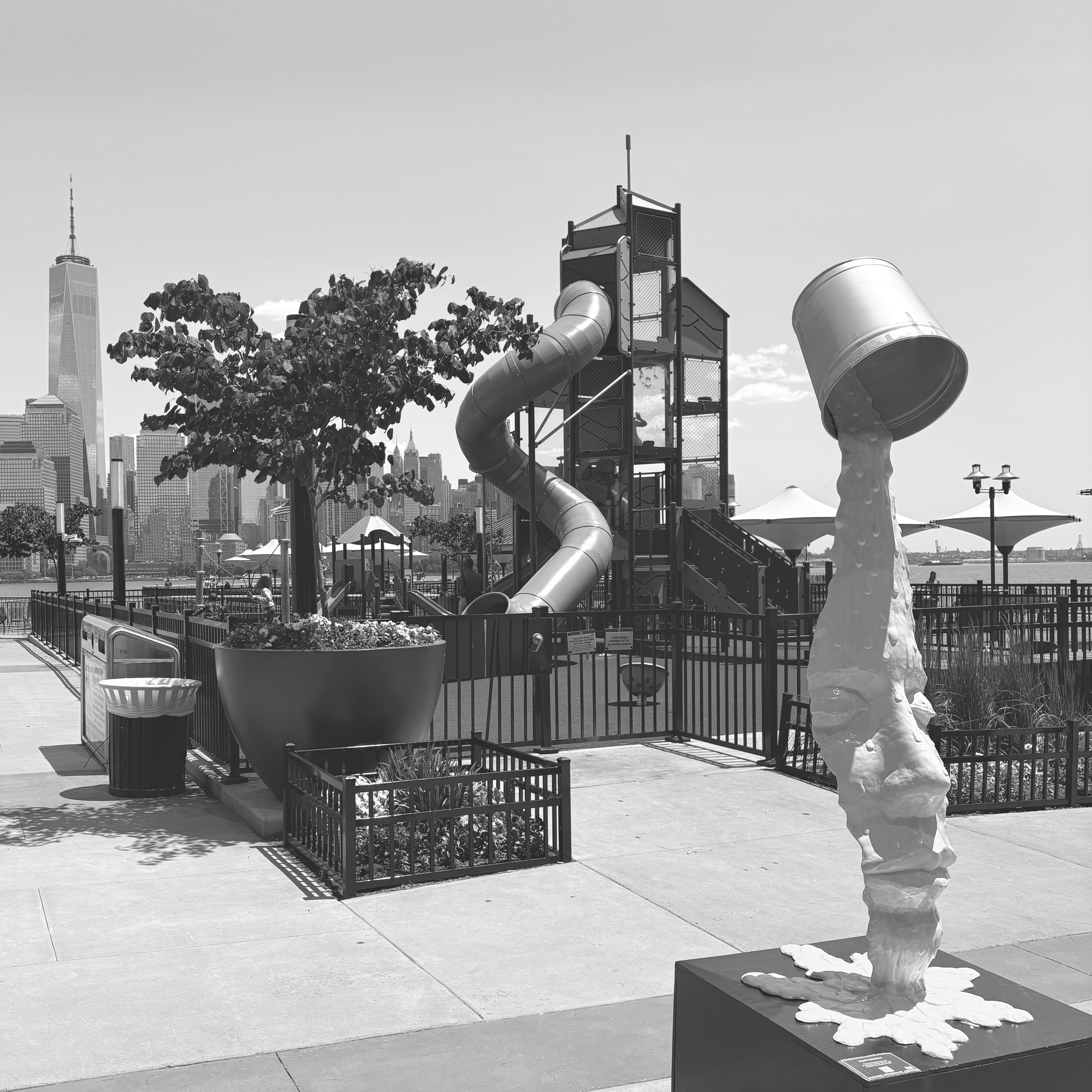
- The idea that we are living in a simulated universe has some philosophical antecedents (are we figments of the mind of god?), but serious contemporary discussion of this issue began a few years after the release of The Matrix in 1999.
- Some, like pretend genius Elon Musk, maintain that a simulation is overwhelmingly likely. Others argue that it is possible, but unlikely.
- One of the arguments against is that such a simulation would require a level of computing power that is currently not feasible. A massive simulation depends on a future imagined state of powerful computing. So it is certainly possible, but so are a lot of things in future imagined states – and being possible doesn’t make it likely.
- But consider closely the model of simulation depicted in The Matrix. Humans are stored in separate pods, encased in goo, with their brains plugged into a central computer. The computer takes the consciousness of each gooey human, and deposits it into a massive, shared virtual universe.
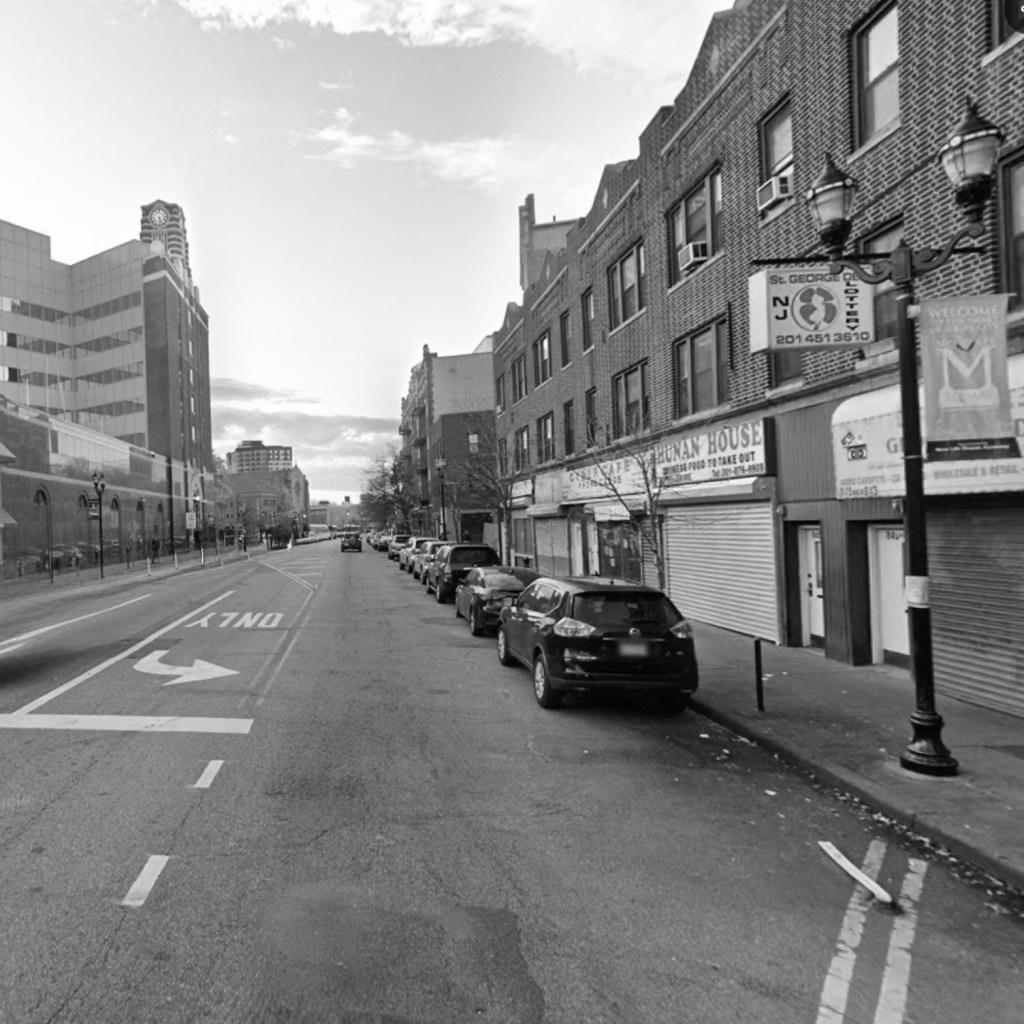
You called the police after seeing my mother, barefoot and bellowing, sprinting after the two thieves who had just robbed our jewelry store on Bergen Avenue. A skinny sixth grader at the time, I didn’t pose much of an obstacle to two full-grown men and was easily shoved to the floor then hurdled over by my mother who ran past you to disappear down a side street.
—Jacob, the phone, ve a buscarlo!
Prior to that moment, throwing my arms around you would’ve seemed inconceivable—and not only since my wingspan fell comically short of your magnificent girth—but suddenly the urge was overwhelming. Without dwelling on what might have held me back, your clear, practical command to action was exactly what I’d needed to get unstuck in
Jay wanted Willa to fall back in love. So Willa started planning. She loved him before, but she couldn’t anymore–her capacity drained. May as well be with Jay, whom she at least knew how to love.
They met three years ago at an HR conference in Boston, in the Berkeley Room. Jay was in from Pittsburgh, to present on false-positive
misclassification by financial auditing systems. He worked in HR at Pitt, harassment and discrimination cases, in and out, every day.
“Our software was looking for anomalous expense data, but instead it was inadvertently flagging ethnic minorities based upon their quote-unquote outlier behaviors.”
Willa was at Sanofi, risk-auditing expense reports from the finance side. Ironically, she had been flagged, investigated, and reprimanded for bodega receipts that were “too ethnic” and thus outliers.
“Jay, but understandably these are truly outlier conditions. How do we train the
HAIKU
BY WILL COMERFORD
Gas fumes warp the heat-warped air
Memory of a summer dream
Yes everybody loves the smell
Gasoline: history and destiny
Who buys Shell???
Maybe they sell
Amazing ham sandwiches
Summer morning
Arco’s cash price fuels
Its daily metal riot
Summer of war
I buy my gas
In 1 gallon increments
Hot morning
A splash of fuel on my wrist
So cold
A prayer for summer carnage
Extra squeegee
Across the violent windscreen
From station to station
We sketch out a life

THE BULLETIN